What Happens to Your Google Rankings When You Stop Getting Reviews?
Review velocity local SEO tradespeople rely on is the steady flow of new reviews arriving over time, and when that flow stops, nothing dramatic happens right away, which is exactly why it’s so easy to miss until the damage is done.
This post walks through the actual timeline: what changes at 30 days, 90 days, and a year without a new review, and why old reviews don’t simply keep working for you forever.
TL;DR
Your existing reviews and star rating don’t disappear when new ones stop coming in, but your review velocity, the rate of fresh reviews arriving, flattens. Google treats a steady flow of recent reviews as a sign of an active business, so a stalled velocity gradually costs you ranking to competitors who kept asking. The damage builds slowly over months, not overnight.
Contents
- What review velocity actually means
- Do old reviews still count for SEO?
- The timeline: what happens when reviews stop
- Why this catches tradespeople off guard
- FAQ
What Review Velocity Actually Means
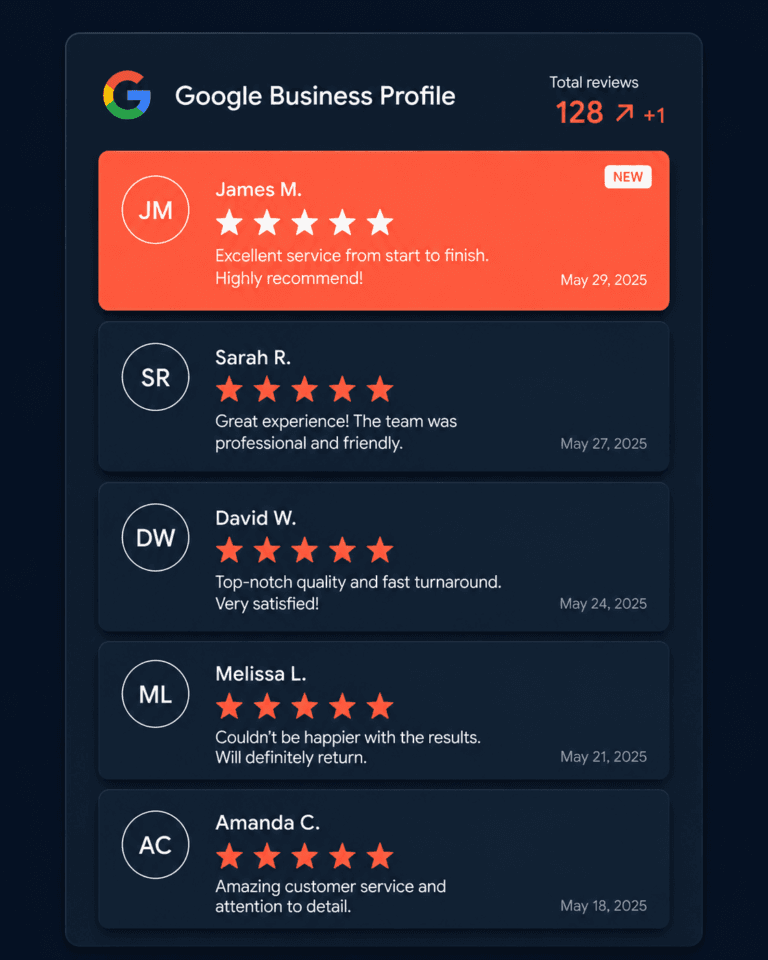
Review velocity is simply the rate at which new reviews arrive on your Google Business Profile. A business collecting three or four reviews a month has healthy velocity. A business that had a burst of reviews two years ago and nothing since has flat velocity, even if the total count still looks respectable.
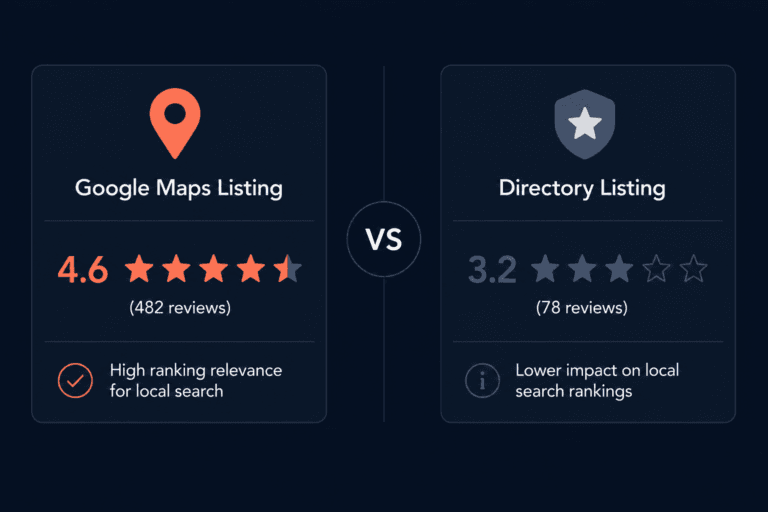
Google reads velocity as a freshness signal that sits alongside your total review count and star rating within its prominence ranking factor, covered in more depth in why Google reviews are the most valuable asset for a UK tradesperson. A business with consistent velocity signals that it’s currently trading, currently doing good work, and currently worth showing to searchers.
Do Old Reviews Still Count for SEO?
Yes, but their weight fades. Your overall review count and average rating stay visible on your profile indefinitely, and they still contribute to how established your business looks. What changes is the recency signal: reviews from three years ago carry less weight in Google’s current assessment of your activity than reviews from the past few weeks.
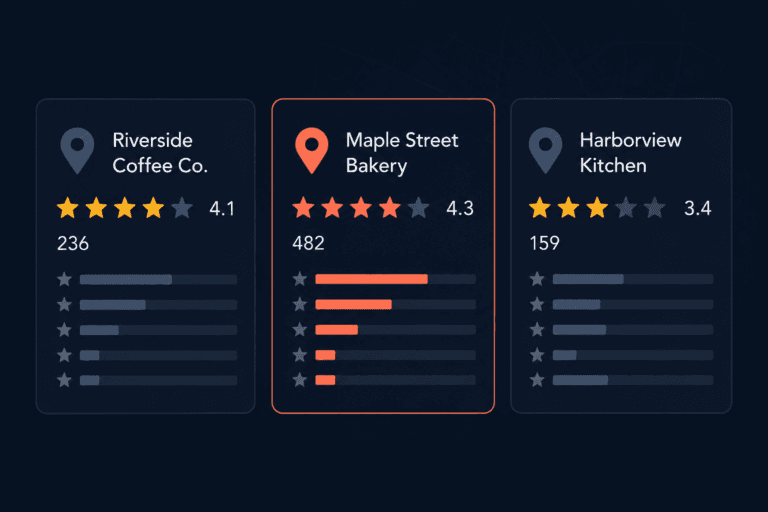
This is why a business with 60 reviews, all from 2023, can rank behind a newer competitor with 25 reviews arriving steadily this year. The newer business looks active. The older one looks like it might not still be trading, even if it is.
The Timeline: What Happens When Reviews Stop
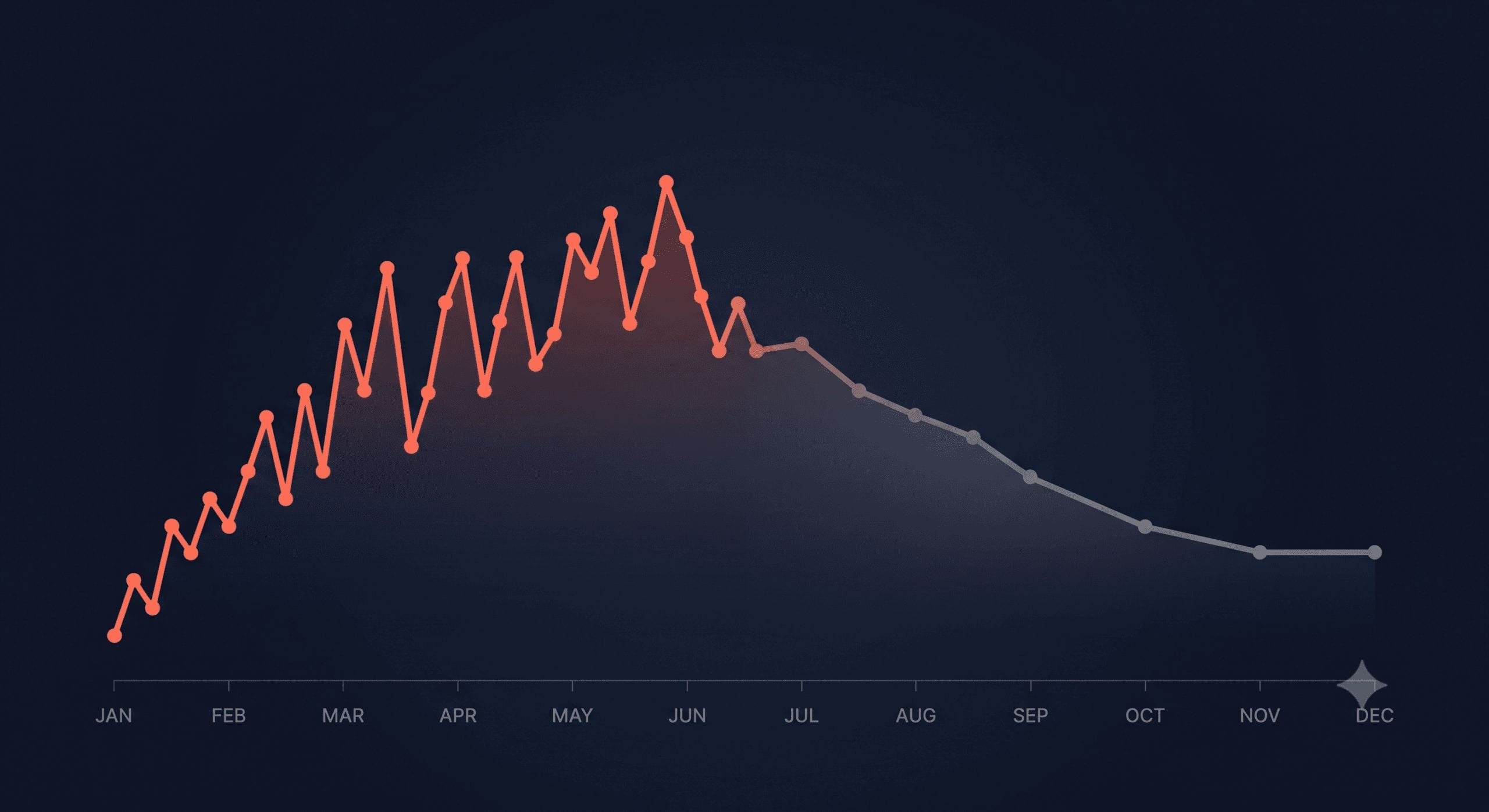
At 30 days: Nothing visible changes. Your rating and count stay exactly where they were, and there’s no noticeable ranking shift yet.
At 90 days: Your review velocity has clearly flattened compared to competitors who are still collecting reviews weekly. If you were closely matched with a competitor three months ago, they’ve likely opened a small, gradual lead.
At 6 months: The gap becomes more visible in practice. Searchers comparing your profile to an active competitor’s see a business with reviews clustered in the past and nothing recent, versus one that looks currently busy and trusted. Your Local Pack position may have slipped for your more competitive searches.
At 12 months: The businesses that kept asking every month now have a meaningfully larger, fresher review base. Closing that gap takes considerably more sustained effort than it would have taken to simply keep the habit going from month one. See how many reviews you’d actually need to catch back up for how the benchmarking works.
Why This Catches Tradespeople Off Guard
The slow, invisible nature of the decline is exactly the problem. There’s no single moment where a ranking drop announces itself, no notification saying “you’ve lost position because your reviews went quiet.” It shows up gradually as fewer calls, which is easy to blame on the season, the weather, or the market, rather than the profile.
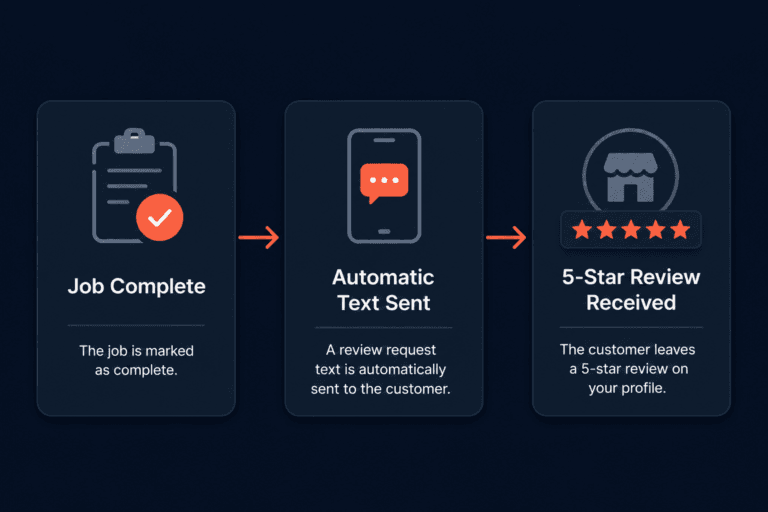
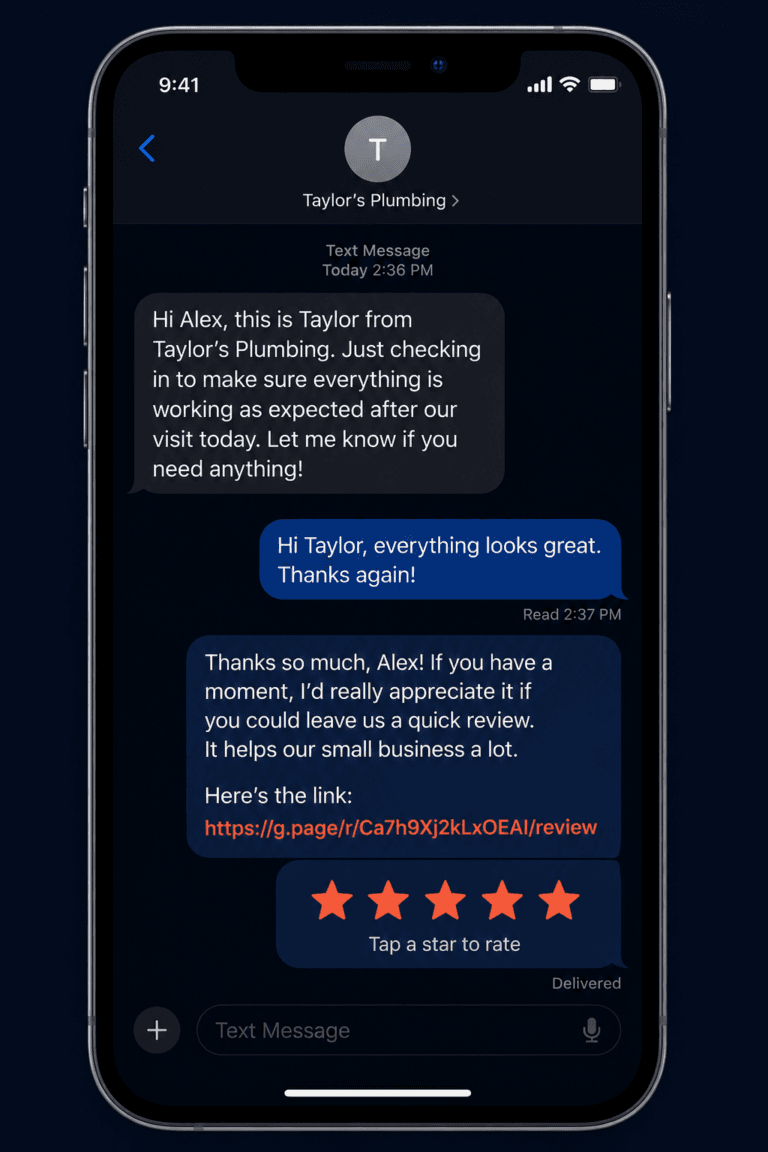
The fix isn’t complicated, it’s consistency. Automating your review requests so the ask happens on every job, without relying on you remembering, is the most reliable way to keep velocity steady without extra admin every week.
FAQ
Do old reviews still count for SEO?
Yes, your total count and rating remain visible and still contribute to your overall profile strength. But recency matters separately, and reviews from years ago carry less weight as a freshness signal than reviews arriving in recent weeks.
Does review recency matter for Google rankings?
Yes. Google treats a steady flow of recent reviews as a sign of an active, currently trading business, and factors this into your prominence ranking alongside your overall count and star rating.
How fresh do reviews need to be?
There’s no official cutoff, but a business collecting at least a few reviews every month maintains stronger velocity than one relying entirely on reviews from a year or more ago. Consistency matters more than any single review’s age.
How quickly can I recover lost review velocity?
Recovery is gradual rather than instant. Restarting a consistent request habit rebuilds velocity within a few months, though catching up to a competitor who never stopped asking takes longer than maintaining pace would have.
Can a burst of reviews all at once fix stalled velocity?
A sudden cluster of reviews looks less natural to Google than a steady trickle over time, and it can draw scrutiny if it looks coordinated rather than organic. A consistent monthly flow, even a modest one, builds a stronger long-term signal than an occasional large push.
The Bottom Line
Review velocity local SEO tradespeople depend on doesn’t announce itself when it stalls, it just quietly costs you ranking over months while everything else looks the same. Keep the ask consistent, month after month, and this is one ranking factor that never becomes a problem in the first place.
If you want to see how your current review activity compares to the competitors ranking above you, I offer a free Local Visibility Report that shows you exactly where the gap is.
Ready to see how visible your business actually is?
Get your free Local Visibility Report at neonlobster.ai/local-visibility-report/ and I’ll show you where you stand and what it would take to improve it.
From Gigi, The Neon Lobster
Want to know exactly where you stand in local search?
We’ll scan your Google Business Profile, your reviews, and your map pack visibility. Then we’ll send you a personalised Local Visibility Report showing what’s working, what’s missing, and what it’s quietly costing you each month. It’s free, it takes two minutes to fill in, and you’ll have your report the same day.
Get My Free Local Visibility Report →No sales call. No obligation. Just honest numbers about where you stand online.